Dense, low-porosity, and available in nearly any look, porcelain is the workhorse of the tile world — the material we specify most often for floors, showers, and heavy-traffic areas across the Monadnock Region.
Porcelain is a refined form of ceramic tile, fired at higher temperatures from a denser clay body. The result is a tile with very low water absorption — typically under 0.5% — which makes it suitable for wet areas, exteriors, and floors that see real daily use.
Kitchen and bathroom floors, shower walls and floors, mudrooms, and any space where durability matters more than the softness of a natural material. Full-body porcelain, where the color runs through the entire tile rather than sitting on a glazed surface, is a good choice for high-traffic floors since chips are far less visible.
Porcelain is harder to cut than ceramic, which can add modestly to installation labor, and rectified porcelain (with precisely cut edges) allows for the narrow grout lines many homeowners want in a contemporary kitchen or bath.
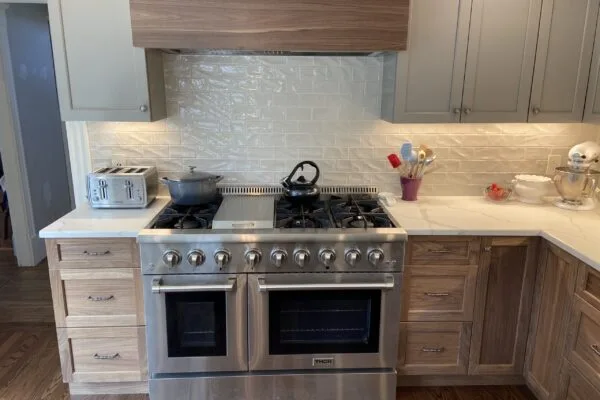
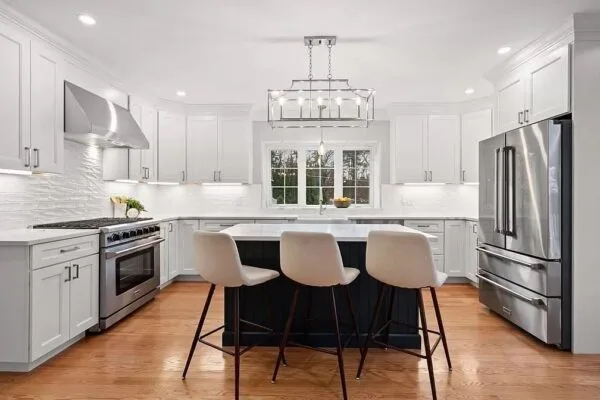
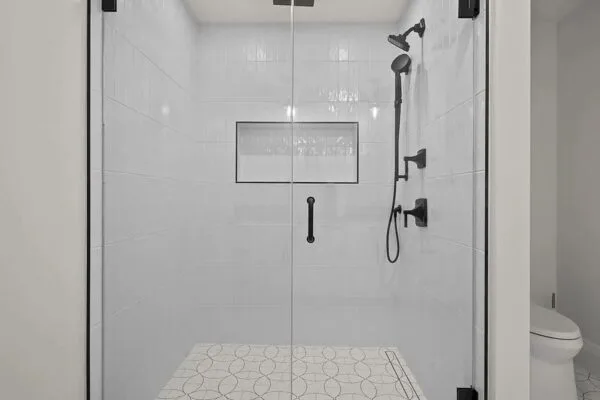
Porcelain itself is essentially waterproof due to its low porosity, but grout lines are not — proper grout sealing (or epoxy grout) is still needed in showers and wet areas.
Yes. Porcelain's low water absorption makes it frost-resistant, which is why it's a common choice for covered porches and mudroom entries that see freeze-thaw cycles.
Generally yes, both in material cost and installation labor, since porcelain is denser and more difficult to cut. The durability trade-off is usually worth it for floors and wet areas.
Glazed porcelain has a printed, glazed surface layer; full-body porcelain has color consistent all the way through the tile, so chips and wear are far less noticeable over time.
Porcelain is classified by the Porcelain Enamel Institute (PEI) rating system, which rates wear resistance from PEI 1 (light residential wall use) to PEI 5 (heavy commercial traffic). For a busy kitchen or mudroom floor, we generally recommend PEI 4 or higher. We'll walk through the PEI rating of any line you're considering before you order.
We'll help you compare it against the other options for your specific room.
Talk to Us