Ceramic tile remains one of the most versatile and budget-conscious options for walls, backsplashes, and lighter-traffic floors, with a glazed surface that takes color and pattern beautifully.
Ceramic tile is fired from a red or white clay body and finished with a glaze that provides both color and a protective surface. It's typically lighter and easier to cut than porcelain, which keeps installation costs down.
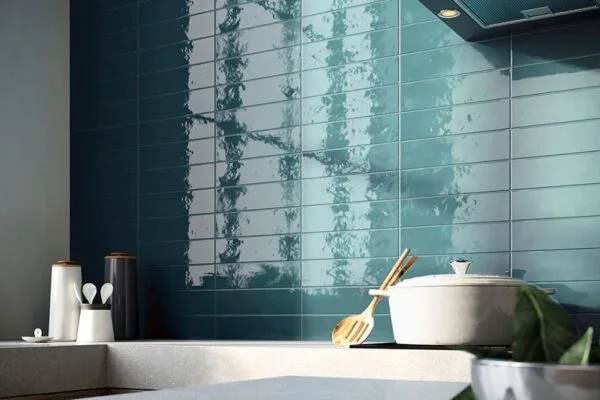
Backsplashes, tub surrounds, powder room floors, and any vertical application where the tile isn't underfoot all day. Ceramic subway tile, in particular, remains a go-to for kitchen backsplashes throughout the region's older homes.
Because ceramic is more porous than porcelain, it's a better fit for walls and lighter floor traffic than for a busy kitchen or mudroom floor. Proper sealing of grout lines still matters in wet areas.
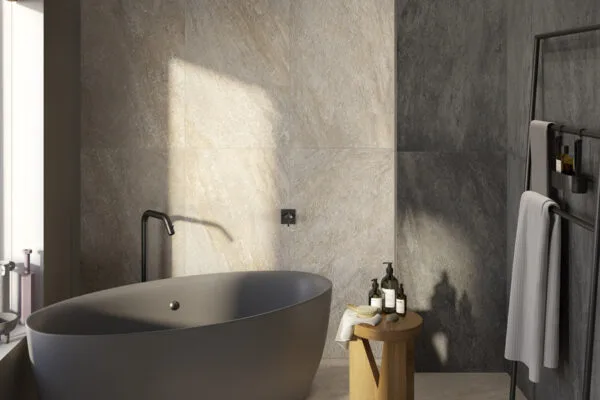
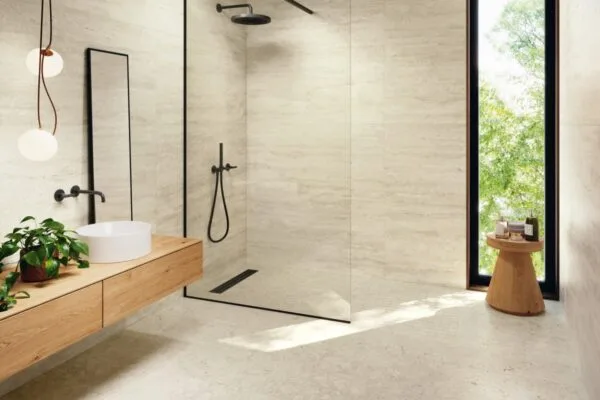
Yes, for most residential bathrooms ceramic floor tile (rated for floor use, not just walls) holds up fine. For a shower floor specifically, we more often recommend porcelain or natural stone mosaic for added slip resistance and durability.
It's one of the most common and cost-effective choices for backsplashes, since a backsplash sees splashes rather than standing water or foot traffic.
The clay body and firing temperature differ — porcelain is fired denser and hotter, giving it lower water absorption. Visually they can look nearly identical; the difference shows up in durability and where each is best used.
Ceramic wall tile and ceramic floor tile are not always interchangeable — check the PEI rating before installing a wall-rated tile on a floor. We confirm this on every ceramic order before it ships.
We'll help you compare it against the other options for your specific room.
Talk to Us